


Many authors still don’t know how to sell children’s books online. Like many businesses, selling kids’ books can be difficult. The buyers are more mature and exposed than the target audience (kids). However, their goal is to get the best for these young minds.
Whether you are an author or marketer, this article is the ultimate guide you need. It will explain everything you need to sell children’s books.
Why Do You Need a Website to Sell Children’s Books?
A dedicated website allows you to create an engaging online experience where parents and educators can preview book excerpts, illustrations, and age-appropriate content before making purchasing decisions.
Having your own website also enables you to build direct relationships with your readers through newsletters, reading guides, and virtual author events.
This is why choosing the best web hosting is crucial for ensuring your site loads quickly and handles traffic spikes during promotional periods or book launches.
Creating a charming, easy-to-navigate website is key to selling children’s books online and building trust with parents and educators. Check out our recommended website builders, to launch a professional site that showcases your books and helps you grow your readership.
Top Website Builders to Sell Children’s Books Online Successfully
| Provider | User Rating | Recommended For | |
|---|---|---|---|
 | 4.6 | Beginners | Visit Hostinger |
 | 4.4 | Pricing | Visit IONOS |
 | 4.2 | Design | Visit Squarespace |
7 Steps to Sell Children’s Books Online
An online book business is a wonderful way for a children’s book author to sell their work to a larger audience. This method increases sales without the author leaving their comfort zone. Let’s explore the steps to setting up your online bookshop for kids.
Step 1: Build a Strong Online Presence
Your online presence is your bookstore’s identity. It is the first thing many buyers and potential readers will see before buying your book. Hence, you must build a strong online presence to sell more books.

1. Create an Author Website or Blog
Having your own website or blog creates a place for people to know more about your work. It is like a place on the internet where you are in charge, and people need you. Let’s look at everything you need to create the ideal book blog or website.
Essential Elements of Your Author Website:
- Author bio: An author bio is a short writeup to tell people about you and your work. Write a bio telling people about you and your reason for writing books. You can add a professional photo and interesting parts of your journey.
- Book descriptions: Create captivating descriptions to attract readers to your books. Each book description should make them special. Think about the book’s characters, theme, and key points that will attract the ideal audience.
- Reviews and testimonials: Reviews from previous readers can help build trust. Include positive reviews from reviewers, readers, and other authors on your website.

- Contact information: Some readers, media, or potential partners may want to feature your book. It is best to include a contact form, email address, and your social media accounts.
- Free resources: Offer free resources to improve the value of your book. This could be activity sheets, coloring pages, or educational materials. This is a great way to engage young readers and help them become better.
- Visually appealing design: Bright and colorful items tend to attract children. Make your website colorful and easy to navigate to attract your audience. Use high-quality images and a design that looks attractive to children and adults.
- Mobile-friendly: Ensure people can access your website on mobile phones and computers. You can run several tests to confirm its responsive design.

2. Establish a Social Media Presence
Social media platforms allow you to connect and interact with potential readers. You can use social platforms to build groups or communities for your books.
Social Media Strategies for Children’s Authors:
- Choose the right platforms: There are different age groups on various social media platforms. Identify which platform your target audiences use and focus on sharing content there.
- Share engaging content: Share engaging content on your social media channels. You can share your book covers and behind-the-scenes videos of your writing.

- Run contests and giveaways: Attract new followers by organizing contests or giveaways. You can also create a trend for your followers. This is an amazing way to go viral and let people know about your books.
- Tailor your content: Adults are the main people buying your children’s books. This is why your content should suit the platform and your audience. You can create Facebook groups or special chat rooms to share your content at once.

3. Optimize Your Online Content
It is crucial to improve your content with search engine optimization (SEO). SEO ensures potential readers searching for similar books can find you.
SEO Tips for Children’s Authors:
- Keywords: Use keywords relating to your genre or book throughout your website and content. Include words people might use when searching for children’s books in your genre.
- Meta descriptions: These are the short text snippets under your website’s link. Make them engaging and include relevant keywords to make people click on them.
- Title tags: These titles appear at the top of web browsers. Include relevant keywords to improve your website’s ranking on search engines.
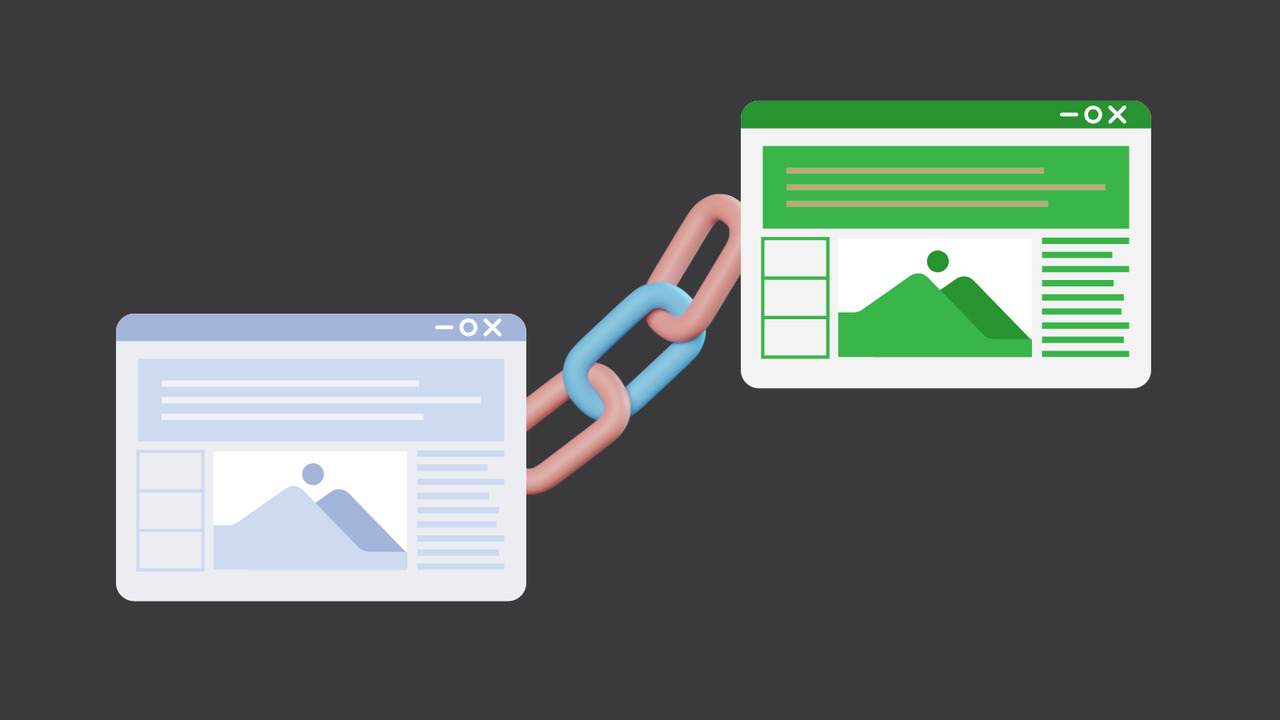
- Backlinks: These are links leading from other websites to your own. Your website will look more credible to search engines with more high-quality backlinks.
- Engagement: Always respond to comments and messages quickly. Search engines focus more on websites that are active and engaging.


Step 2: Craft a Compelling Book Description
Your book description is the element that will sell your book. Many potential buyers will go through the description to know if it is worth reading. It would help to write a good book description for this purpose. Let’s look at what you need to write the perfect description.

Elements of a Captivating Book Description:
- Hook: The description should start with a strong hook to grab the reader’s attention. This could be a surprising statement or an interesting question. It could also be a direct description that explains the plot.
- Key features: Highlight the book’s key components to show its selling point. These components are what make your story different from other authors. Ensure everything you highlight are features that your readers will love.
- Engaging style: Make sure to write in a clear, brief, and engaging style.
- Call to action: Add a call to action to encourage people to take the next step. You can ask them to click a link to read ebook versions of your book. You can even tell them to take action to learn more about you.
- Proofread: Review and edit your book description to avoid errors. These errors can make you look like an amateur.

Step 3: Utilize Online Marketplaces and Platforms
The best online sales channels are marketplaces and platforms. There is already a large user base of book lovers on these platforms. This makes it easier for you to connect with potential readers. Let’s explore some top online platforms to sell your book.
1. Amazon
Amazon is a well-known platform for online book sales. Millions of people around the world use this platform to buy books. It is the perfect place for local authors looking to sell books online.
Strategies for Success on Amazon:
- Amazon Author Central: You will need a complete and optimized Author Central profile. This is a special space to showcase your books. It’ll also help you to connect with readers.
- Amazon Advertising: Use the Amazon Seller app to create ads and listings for your book. Running ads will make your book more visible to new readers.
- Reviews: Many people will check your book’s Amazon page reviews before buying anything. Tell your readers to leave positive reviews on your page.
- Keyword optimization: Use relevant keywords in your book’s title and description to appear more in Amazon search results. You should also use it in your backend keywords.

2. Other Online Retailers
You can try other online retail platforms to make more sales. Use platforms like Barnes & Noble, Apple Books, or Google Play Books. Each of these platforms has a different user base.
This means you can reach more people by using more than one. However, you must ensure that your pricing and book information are the same on all the platforms. Doing this will prevent confusion and make you look professional.
3. IngramSpark
IngramSpark is a print-on-demand service that distributes your self-published books. It has a large network of bookstores and libraries that order books through the platform. Ingram is a good book platform for children’s authors.

Benefits of IngramSpark:
- Reach physical stores: IngramSpark allows you to distribute self-published books to physical bookstores and libraries.
- Professional presentation: IngramSpark offers many professional, high-quality print options.
- Print-on-demand: This service is a cost-effective solution. It allows users to print books depending on the amount ordered.
- Author control: Selling your book on IngramSpark puts you in control of everything. You can set your book prices, adjust royalties, and choose the print elements.
Step 4: Leverage Online Advertising
You need a solid marketing strategy to boost your book sales. Your strategy should include online advertising. These adverts allow you to target a specific audience. Let’s explore some useful advertising platforms.
1. Amazon Ads
Amazon’s advertising platform allows you to sell your book to the ideal audience. It has the tools to target your audience based on specific criteria. It can pinpoint specific locations, age ranges, interests, and more.

You should try different ad formats and targeting options to optimize your campaign. This would allow you to find the best one for your book. You should also track your campaign performance to adjust your strategy as needed. This way, you’ll be able to get better results.
2. Facebook Ads
Facebook is a social platform, but businesses can run ads on it. It has a large user base and detailed targeting options for advertising children’s books. You can use the platform to reach parents, educators, and potential buyers.
Create Compelling Ads
- Attract attention and encourage people to click with attractive visuals and ad copy.
- Perform A/B testing for different ad creatives to see what suits your target audience.

3. BookBub Ads
BookBub is a popular platform that helps readers to find discounted books. It is the perfect place to sell your books for a lesser price. BookBub sends email newsletters to a large audience of dedicated readers. There are also many people visiting its website from different locations.

This makes it an excellent option for promoting your children’s books. You should run BookBub Featured Deals to advertise limited-time discounts on your books. This offer can introduce your work to new readers and increase sales.
Step 5: Engage with the Online Community
An online community is like a virtual book club. It connects you with your loyal readers and lets you get their honest feedback. The only problem is that building a community requires time and effort. Here are some valuable community options.
1. Goodreads
Goodreads is a safe place for book lovers to connect with their favorite authors. It has millions of passionate members for you to build an audience for your business.

Goodreads Strategies
- Author profile: Create a complete and engaging author profile to attract readers. You can share your story and join discussions to build interest around your book.
- Groups and discussions: Join groups related to children’s literature. You can offer valuable insights to build a strong presence.
- Giveaways and contests: Attract new followers by hosting giveaways and contests. You can even create a contest for your readers to suggest a new title for your next book.
- Engage with readers: Respond to reviews and answer questions to gain a loyal following.
2. Online Book Clubs and Forums
Join online children’s literature book clubs and forums to connect with people looking for new books. These communities can connect you with passionate readers, educators, and librarians. You can join these communities on social platforms or third-party forums.
Strategies for Online Book Clubs and Forums

- Virtual events: Offer virtual Q&A sessions or author readings to introduce readers to your books.
- Engage in discussions: Join discussions and offer valuable insights about your books and the industry. Let people see you as an expert passionate about children’s literature.
3. Collaborate with Other Authors
Working with other authors in your genre can introduce your books to a new audience. It is the perfect way to use their online presence to sell a few books.
Collaboration Ideas
- Joint online events: Host joint events like webinars or virtual book launches. These events would allow you to reach a wider audience.
- Cross-promotion: Collaborate on book bundles or cross-promotional campaigns to reach each other’s audiences.
Step 6: Offer Valuable Content and Resources
Providing free, valuable content and resources can attract potential readers. It puts you in an expert position so people can rely on you for information.
1. Blog Posts and Articles
Create blog posts and articles to engage readers, provide value, and build your presence. You can write compelling content to attract your readers. Here are some content ideas for your blog.

Content Ideas
- Writing tips: Share your knowledge on writing children’s books to inspire upcoming authors.
- Book recommendations: Create a list of recommended children’s books to share your favorite reads. You can also use it to suggest books for various age groups and reading levels.
- Educational resources: Create resources for parents and educators to make their children love reading. Provide activity ideas, educational games, or tips suitable for young adults.
- Guest blogging: Expand your reach as a guest children’s literature or education website. Publishing a guest post allows you to reach a new audience and build backlinks to your website. You can also build a thriving blog to sell it for profit. This would create a headstart for new authors.

2. Free Resources
Offering freebies is a good strategy to attract readers and keep them returning for more. You can offer valuable freebies like extra resources or signed copies of a particular book. Doing this can add value to young readers and attract parents and educators to your work.
Free Resource Ideas
- Coloring pages: Create coloring pages to encourage your readers to express their art. Feature characters or scenes from your books to make it fun and engaging.

- Activity sheets: Create activity sheets with puzzles, word searches, or mazes for your book’s themes.
- Educational guides: Create educational guides that go with the content of your book. These guides will be useful for homeschooling parents.
- Downloadable chapters: Offer free chapters or bonus content that people can download. This would entice potential readers and let them taste your writing style.


3. Educational Content
Educational materials like college textbooks, teacher’s workbooks, and more require a special marketing strategy. If your books are educational materials, you should create support materials for educators. This is an amazing way to let local schools and libraries choose your book.
Educational Content Ideas
- Lesson plans: Create lesson plans that make your books crucial material for classroom activities. Ensure these lesson plans follow the curriculum standards to make them more useful to teachers.
- Classroom activities: Create engaging activities like discussion prompts and role-playing games to involve everyone.
- Webinars and workshops: Offer free webinars or online workshops for teachers to show them the value of your books. You can achieve this through school visits and other events.


Step 7: Explore Alternative Online Selling Strategies
The online book business changes daily, and you must stay ahead. This means adjusting your business model by trying other selling strategies. You must think outside the normal bookselling business model and explore new options.

1. Virtual Book Tours and Events
Virtual book tours and events are a fantastic way to connect with readers anywhere in the world. You can use these online events to promote your books without traveling.
Virtual Event Ideas
- Book launches: Host virtual book launches to celebrate your new book. You can also use this opportunity to discuss the book and generate buzz.
- Author readings: Offer virtual author readings to read excerpts from your book to interact with your audience.

- Q&A sessions: Host online Q&A sessions to answer questions from your readers. Provide honest and professional answers to these questions. You should tell them about your books and what inspires you.
- Partnerships: Work with other authors or online communities to co-host virtual events.

2. Book Trailers and Videos
Book trailers and videos are a creative way to send a message to your potential readers. A well-crafted book trailer can entice viewers to learn more about your books.
Creating Effective Book Trailers
- Visual appeal: Use high-quality visuals like illustrations, animations, or live-action footage. These visual elements would attract your audience to your book.
- Key themes: Highlight your book’s key themes, characters, and points in an attractive way. Children tend to like books or movies based on certain characters.
- Music and sound: Use suitable music and sound effects for your book’s genre and mood. For instance, you should use old soundtracks for non-fiction books about past heroes.

- Call to action: Include a clear call to action at the end of your trailer. This could prompt viewers to buy your book or visit your website.
- Share widely: Share your book trailers on social media platforms and your website. You can even put them on online video platforms like YouTube.

3. Licensing and Merchandising
Licensing and merchandising allow you to sell other products relating to your book. It creates more sources of income. You only need to go for opportunities to license your book’s characters or stories.
Licensing Opportunities
- Merchandise: You can license toys, clothing, or stationery relating to your book characters.
- Educational materials: You can license your book’s content for educational materials.
- Creative projects: You can license other creative projects like video games and animated content.
- Partnerships: Partner with popular brands to reach a wider audience through their distribution channels.
Conclusion
Selling your children’s books online should be easy with all these strategies. You only need to follow them to sell all the books in every given category. Before you know it, you’ll build a lasting platform and increase your book sales. You should also create time to connect with your audience on various platforms.
While selling books online, staying on the right side of the law is important. Our guide explains whether you need a business license to sell your books online.

Next Steps: What Now?
Here are some practical steps to start selling children’s books online:
- Build a strong online presence on social media and your website.
- Use online marketplaces and platforms.
- Write an attractive book description.
- Run online ads to promote your book.
- Engage with your readers in online communities.
- Offer valuable content and resources to support your book.
- Try other online strategies and platforms.
- Track your progress and adjust your strategy.
Further Reading & Useful Resources
Here are more resources to help you with your journey:
- Starting an E-commerce Business: Learn how to start a business selling items online.
- Making Money with Ebooks: Learn how to make money selling ebooks online.
- Overcoming the Challenges of E-commerce: Understand the problems you may face as an online business owner and how to overcome them.
- Facebook Advertising Strategies: Explore ten proven strategies to advertise on Facebook.
- Best web hosting for your book website: Check out the best web hosting platforms.
