


If you’re wondering how to quickly increase online sales and profits, you’ve come to the right place. In today’s competitive e-commerce landscape, driving sales requires smart strategies that work.
We’ve compiled 27 proven methods, crafted by experts, to help you optimize your website, leverage digital marketing tools, and enhance customer experience. Let’s dive in!
Boost Your Online Sales With a High-Performing Website
| Provider | User Rating | Best For | |
|---|---|---|---|
 | 4.6 | Beginners | Visit Hostinger |
 | 4.4 | Pricing | Visit IONOS |
 | 4.2 | Design | Visit Squarespace |
Optimize Your Website for Conversions
1. Improve Website Design and User Experience

A well-designed website can be the difference between a sale and a bounce. Start by creating an intuitive website navigation structure that guides visitors effortlessly through your site.
Site speed is another crucial factor. If your pages take more than a few seconds to load, you’re likely losing potential customers. Optimize your images first. Then, leverage browser caching, and consider using a content delivery network (CDN) to speed things up. Tools like Google PageSpeed Insights can help you identify and fix speed issues.
Don’t forget about mobile users. 50%+ of your buyers will purchase a product via smartphone.
If you are building a brand new site, learn how to ensure fast loading times first. Choose one of the best e-commerce hosting providers, and if your site’s traffic demands it, consider opting for a dedicated server, as they typically offer faster loading times.

2. Use Compelling Calls-to-Action (CTAs)

Your CTAs are important. Make them stand out with contrasting colors and action-oriented language. Instead of a bland “Submit” button, try something more engaging like “Get Your Free Trial Now” or “Unlock Exclusive Deals.”
Placement is key for increasing sales. Sprinkle CTAs throughout your site, but be strategic. Place them where they make sense – after you’ve explained the benefits of your product. If you offer discounts to existing customers, add CTA to that section as well.
3. Streamline the Checkout Process

The checkout process is where the magic happens – or where sales go to die. Make it as smooth as possible by reducing the steps required to complete a purchase. Every extra field or page allows the customer to change their mind.
Offer guest checkout options for those who don’t want to create an account. For returning customers, implement features like one-click purchasing to make repeat buys a breeze. Progress indicators during checkout can also help. These give customers a clear view of how close they are to completing their purchase.
Increasing online sales is not complex if you know what you are doing. Most of the time simple tweaks and improvements can do wonders. Online shoppers like these improvements as well.
Buyers love free stuff as well. Free samples are a great way to reach more customers. Another improvement is related to shipping. We can even add that offering free shipping is almost mandatory nowadays.
Leverage the Power of SEO
4. Conduct Keyword Research

Keywords are the foundation of your SEO strategy. Start by identifying high-intent keywords relevant to your products. These are the terms people use when they’re ready to buy, not just window shopping. Tools like Google’s Keyword Planner, SEMrush, or Ahrefs can help you uncover these golden nuggets.
Don’t forget to analyze your competitors’ keywords. What terms are they ranking for that you’re missing? This competitive intelligence can help you identify gaps in your strategy. Even better, you can determine opportunities to outrank your rivals. Look for long-tail keywords that have lower competition but high conversion potential.

5. Optimize On-Page Elements
Use the keywords in a few places. First of all, use them in the H1, H2 and H3. Then also use them in the product descriptions. Don’t forget to add these to the meta tags. Search engines like this approach.
Your primary keyword should appear in your H1 tag, with related keywords in your H2 and H3 tags. This helps search engines understand the hierarchy and relevance of your content.
Don’t neglect your images. Optimize alt text to improve accessibility and give search engines more context about your visual content. This will increase sales online in no time.
6. Create High-Quality, Relevant Content

Content is still king in the world of SEO. Develop a content marketing strategy that addresses your customers’ needs and questions. This could include in-depth product guides, how-to articles, or blog posts about industry trends.
The key is to provide value to your audience. But at the same time, you must implement those keywords naturally.
When creating content, focus on quality over quantity. Long-form, comprehensive content tends to perform better in search results. Aim for articles of 1500 words or more. Still, make sure every word counts.
Implement Effective Marketing Strategies
7. Utilize Email Marketing
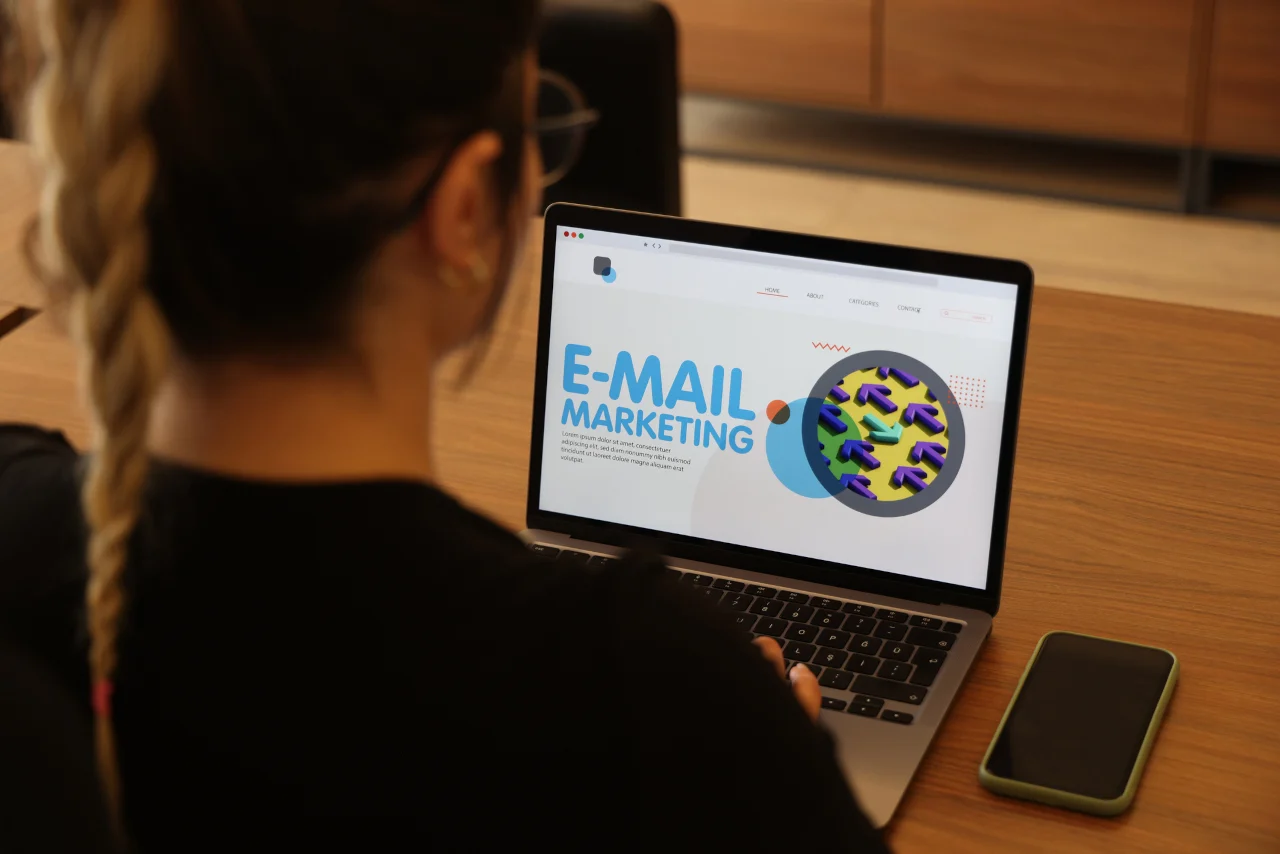
Email marketing remains one of the most effective ways to drive sales, with an average ROI of $42 for every $1 spent. Start by segmenting your email list based on factors like purchase history, browsing behavior, or demographic information.
This allows you to send highly targeted campaigns that match specific customers. Use regular email marketing campaigns to get new customers and improve customer service.

Personalized product recommendations can significantly boost click-through rates and sales. You already have all the data from the previous purchases. Use that. Tools like Kit or Mailchimp can help automate this process, making personalization scalable.
Try to use catchy and appealing marketing materials to stand out. But, make sure you are not sending too many emails to your customers.

8. Leverage Social Media Marketing

Social media is a powerful tool for building brand awareness and driving sales. It’s crucial to focus your efforts where your target audience spends their time. Research which platforms are most popular among your demographic and tailor your strategy accordingly.
Create engaging, shareable content that provides value to your followers. Post photos of products on social media accounts. Encourage customers to share photos of your products as well. This not only provides social proof but also expands your reach.
9. Invest in Pay-Per-Click (PPC) Advertising

While organic traffic is great, sometimes you need a quick boost. That’s where PPC advertising comes in. Set up Google Ads campaigns targeting keywords relevant to your products. This allows you to appear at the top of search results for highly competitive terms.
Retargeting ads are another powerful tool. These will specifically target users who came to your website in the past. Now is the time to turn them into buyers. According to WordStream, the average click-through rate for retargeting ads is 0.7%, compared to 0.07% for display ads. Always focus on the value proposition to get the best results.
Enhance Product Presentation

10. Use High-Quality Product Images
Invest in professional product photography that showcases your items in the best light possible. HD photos can make a huge difference. These can make your products stand out.
According to Shopify, 75% of e-commerce shoppers rely on product photos when deciding on a potential purchase. Offer multiple angles and views to give customers a complete picture of what they’re buying.
For clothing items, consider including photos of the product being worn by models of different sizes to help customers visualize how it might look on them.
11. Create Compelling Product Descriptions
Your product descriptions should do more than just list features. They should tell a story. Highlight the key benefits of your product and how it solves your customers’ problems. Use persuasive language that appeals to both logic and emotion.

Be sure to include all relevant specifications and dimensions. This not only helps customers make informed decisions but also reduces the likelihood of returns due to mismatched expectations. Use bullet points to make key features easy to scan.
But, offer more detailed product description as well. This makes an e-commerce store more appealing. Also, offer free shipping to your customers.
12. Implement Product Videos

Video content can be a game-changer for e-commerce sites. Showcase your products in action with high-quality video demonstrations. This could include how-to videos and tutorials. Try to be original and try something new.
Customer testimonials in video format can be particularly powerful. Seeing real people talk about their positive experiences with your product can be far more convincing than written reviews alone.
Build Trust and Credibility

13. Display Customer Reviews and Testimonials
Social proof is currency. Implement a review system on your product pages that allows customers to share their experiences. Showcase positive testimonials prominently. Don’t shy away from negative reviews. How you handle criticism can say a lot about your brand. According to BrightLocal, 87% of consumers read online reviews for local businesses in 2020.
Respond to both positive and negative reviews professionally. Thank customers for their feedback and address any concerns raised in negative reviews.
14. Offer Strong Guarantees and Return Policies
One of the biggest barriers to online purchases is the fear of getting stuck with a product that you don’t like. Solve this by offering strong guarantees and customer-friendly return policies. A money-back guarantee can go a long way.
It’s used for reducing purchase anxiety and boosting conversions. Yes, this is essential. Keep in mind one more thing. According to Invesp, 92% of consumers will buy something again if returns are easy.
Make sure your policies are clear and easy to understand. Most buyers won’t invest hours into reading your return policy! Highlight them throughout the buying process. This constant reassurance can be the nudge needed to make a purchase. Consider offering free returns or exchanges.
15. Showcase Security Badges and Certifications

Customers need to know their personal and financial information is safe with them. Display SSL certificates. Don’t forget about security seals. Make sure these are displayed on your site. According to a study by Actual Insights, nearly 61% of participants said they had decided not to purchase a product because it was missing a trust seal.
If you’ve won any industry awards or hold relevant certifications use them! Make sure to highlight these as well. They serve as third-party endorsements of your credibility.
Optimize for Mobile Commerce

16. Ensure Mobile-Friendly Design
Having a mobile-friendly site is essential. Most of you already know this. Use responsive design principles. This simple advantage can ensure your site looks great and functions smoothly on screens of all sizes. This means easy-to-tap buttons and readable text without zooming. Always use images that resize appropriately. According to Statista, mobile devices accounted for almost 55% of global website traffic in the first quarter of 2021.
Optimize your content for mobile users. Believe it or not, mobile e-commerce is a huge hit right now. This might mean shorter paragraphs and bullet points instead of long lists. Use collapsible menus to save screen space.
Implement mobile-specific features like click-to-call buttons. This makes it easy for customers to contact you directly from their smartphone If they need help, they will use this feature. It does affect search engine optimization and customer conversations more than you think.
17. Offer Mobile Payment Options

The easier you make it for customers to pay, the more likely they are to complete their purchase. Integrate popular mobile payment methods like Apple Pay, Google Pay, and PayPal. Digital wallets are expected to become the most popular online payment method globally.
Ensure your mobile checkout experience is seamless. Large and easy-to-tap buttons are mandatory. Then, focus on minimal form fields and clear error messages. For returning customers, implement one-click purchasing to make repeat buys as easy as possible.
18. Develop a Mobile App

While not necessary for every business, a well-designed mobile app can boost sales. Create a user-friendly app that offers a smooth shopping experience. Consider features like saved shopping carts. Another great example is a wish list.
Always use personalized recommendations to make your customers feel special. According to App Annie, consumers spent $143 billion on mobile apps in 2020, up 20% from 2019.
Use your app to offer exclusive deals and promotions. This can incentivize downloads and encourage customers to make purchases through the app. Push notifications can be a powerful tool for personalized marketing, alerting customers to sales, restocked items, or abandoned carts.
Just be careful not to overdo it. Too many notifications can lead to app uninstalls. This can negatively affect customer relationships.
If you already have a website, learn how to turn it into an app for an even better user experience.
Provide Exceptional Customer Service

19. Implement Live Chat Support
Customers expect quick answers to their questions. Implementing live chat support on your website right now. It can provide real-time assistance, something users need today. Train your support staff to be knowledgeable about your products. You can outsource good customer service on a budget.
According to Kayako, 79% of businesses say offering live chat has had a positive effect on sales, revenue, and customer loyalty.
For even more efficiency, read more about chatbots and how AI can streamline live chat support:
20. Create a Comprehensive FAQ Section

A well-organized FAQ section can significantly make your buyers happy. It removes the burden on your customer service team. It also provides instant answers to common customer questions. Address a wide range of topics.
Then cover shipping policies and return procedures. According to Forrester, 70% of customers prefer to use a company’s website to get answers. Still, you have to offer great customer service to the existing customer base and new customers.
Organize your FAQs by category for easy navigation. Use clear, concise language and avoid jargon. Remember to update your FAQs regularly. There is always something needed that your customers want to know.
21. Offer Multiple Contact Channels

While chat and email support are great they are not the only options. Some customers still prefer traditional methods. Yes, we are talking about phone support.
Offer multiple contact channels. Ensure prompt response times across all channels. According to HubSpot, 90% of customers rate an “immediate” response as important or very important when they have a customer service question.
Buyers want to resolve any issue they have in minutes. You need to try and offer that. It’s not always possible but it is a mandatory element to your business.

Utilize Data and Analytics

22. Track Key Performance Indicators (KPIs)
Data is your best friend in this case. Start by identifying and tracking key performance indicators (KPIs). These might include conversion rates or even average order value. Also, customer lifetime value and cart abandonment rates are important. According to Forrester, insight-driven businesses are growing at an average of more than 30% each year.
Use tools like Google Analytics to monitor traffic sources and user behavior on your site. Set up goals and funnels to track customers. This data can help you identify bottlenecks in your sales process. Then, correct them and increase sales.
23. Conduct Regular A/B Testing

Never assume you know exactly what your customers want – test it. Conduct regular A/B tests on different elements of your website. Do the same for marketing campaigns. This could include testing different headlines. Lastly, test CTA buttons. Test product images and email subject lines. According to Invesp, A/B testing can result in a 49% increase in conversion rate for landing pages.
Make data-driven decisions based on your test results. Even small changes can lead to significant improvements. Remember, A/B testing is an ongoing process. It can help you obtain more customers. It can help you increase brand awareness as well.
24. Implement Personalization Strategies

Use the data you collect to offer personalized experiences to your customers. This could include product recommendations. Always remember one thing. These must be based on browsing history or on past purchases. According to Epsilon, 80% of consumers are more likely to make a purchase when brands offer personalized experiences.
Personalization can extend to your website content as well. Use dynamic content to show different options.

Squarespace: Build and Promote Your Online Store
Explore Upselling and Cross-selling Techniques

25. Recommend Related Products
One of the easiest ways to increase your sales is also the simplest. It is recommending related products. Believe it, this works like magic. Implement “Customers Also Bought” sections on your product pages. For example, if someone is buying a camera, you might suggest memory cards. Tripods are another example. This trick is so popular that all large online marketplaces have been using it for a long time.
Offer bundle deals that combine related products at a slight discount. This increases the order value. It can also provide added value to the customer.
For instance, you can offer a smartphone and a charger at a discount. Most of the premium phones don’t come with a charger. As such, a customer will need to buy it. For you, this means higher profit. For customers, it means a perfect deal.
26. Implement Post-Purchase Upsells
Implement post-purchase upsells as well. Offer relevant add-ons or upgrades immediately after checkout. This could be an extended warranty for an electronics purchase. Also, it can be a premium version of a software product. According to PredictiveIntent, up-sells and cross-sells account for 10-30% of e-commerce revenues.
Create loyalty programs that encourage repeat purchases. Offer points, exclusive discounts, or early access to new products. Give these to your most loyal customers. Follow-up purchases with emails suggesting complementary products or accessories, keeping your brand top-of-mind and encouraging additional sales.
27. Use Urgency and Scarcity Tactics

Tap into the power of FOMO (Fear of Missing Out) by creating a sense of urgency around your offers. Highlight limited-time sales or flash deals to encourage immediate purchases. Use countdown timers on your product pages or in email campaigns to create a sense of urgency. According to Experian, emails with a sense of urgency had 14% higher click-to-open rates.
Display real-time stock levels for popular items. Seeing that only a few items are left in stock can push hesitant buyers to make a decision. Create exclusive, limited-edition products to generate buzz and drive sales.
Just be sure to use these tactics honestly – false scarcity can damage trust in your brand. If you have seen those counters on sites that reset after reaching zero, you know what we mean. Most buyers know that these are false and they don’t appreciate them.
Conclusion
Boosting online sales is extremely important nowadays. It is important for small and large business owners. It is also essential for those who just want to make more sales and generate more money. Always use all of the tips we have provided here. Use social media platforms, email marketing campaigns, and all the rest to attract customers.

Next Steps: What Now?
- Take a look at your website or online store.
- Determine which elements must be improved.
- Improve all of them dramatically.
- Increase online sales fast.
