




- 30-Day Money-back Guarantee
- Custom-Built WP Optimization Stack and LiteSpeed Cache
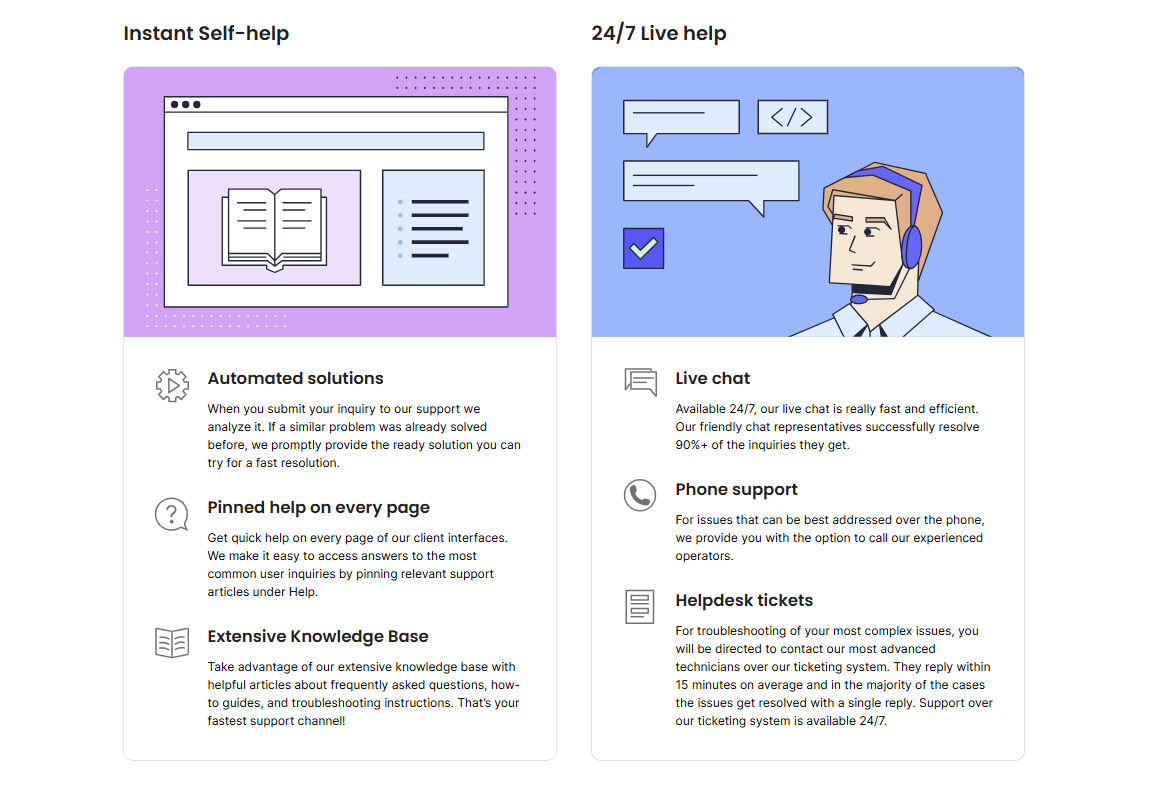
- Excellent 24/7/365 Customer Support

- 30-Day Money-back Guarantee
- Free Еmail, SSL, CDN and Backups
- Support available 24/7/365 via Phone, Chat, Tickets and Knowledge Base
Hostinger vs SiteGround: Quick Summary
Hostinger takes the win for its faster speeds, bigger storage, and lower prices. It’s beginner-friendly, packed with free features like daily backups, SSL, and site migration, and offers great performance for the money.
SiteGround delivers excellent support, eco-friendly data centers, and strong reliability, but its higher prices and limited storage hold it back.
Hostinger offers the best value for most users, while SiteGround suits those who want premium support and global reach.
Hostinger DEALS - Grab Your Discounts Today!
Hostinger vs SiteGround: Overview
Before diving in, here’s a quick overview of Hostinger and SiteGround. These are both solid options, but each has its own strengths depending on your needs.
Hostinger Profile
Founded in 2011, Hostinger offers hosting and domain registration services for small and medium-sized businesses.
Its affordable, scalable plans and intuitive hPanel make it easy for people with no coding experience to manage their hosting.
Hostinger offers different niche packages, including its basic shared and VPS hosting plans.
SiteGround Profile
SiteGround is a Bulgarian company launched in 2004 by university students. Since then, the company has grown steadily and is now home to over 500 employees and nearly 2 million domains.
The tech support team is available 24/7, every day of the year. SiteGround also places a strong emphasis on fast loading times, with performance as one of their top priorities.
1. Hosting Features and Services Comparison
Here’s how Hostinger and SiteGround compare on storage, bandwidth, backups, and key built-in tools.
Hostinger Features
Hostinger offers unlimited bandwidth on most plans, except for the basic ones. For its VPS hosting, you get up to 400 GB of NVMe storage space, which is ideal for larger websites.
Hostinger uses high-performance SSD storage, provides daily backups, and makes it easy to restore your website’s data whenever needed.
Out of the box, you also get a single-click WordPress installation and can migrate your website for free.
SiteGround Features
SiteGround offers 10-40 GB of storage on their shared hosting basic plans, up to 160 GB of SSD storage on cloud hosting plans, with unlimited bandwidth on all their plans.
Out-of-the-box, you get daily backups, restores, and a website builder. You also get a free SSL certificate, built-in caching, and support for unlimited websites (except on the basic plans).
2. Plans and Pricing Comparison
Let’s break down how Hostinger and SiteGround compare across shared, cloud, VPS, and reseller hosting plans. We’ll check what you get, how much it costs, and which offers better value for your needs.
Shared & WordPress Hosting Plans Comparison
Hostinger Shared & WordPress Hosting Plans
Hostinger’s shared & WordPress hosting plans come with the same pricing and features. They’re a solid option if you’re looking for something affordable and scalable, with key features included even in the basic plan.
You can choose from Single, Business, or Cloud Startup. Plans scale from one to 100 websites, with storage ranging from 25 GB SSD to 100 GB NVMe, plus backups and other add-ons as you go.
Hostinger DEALS - Grab Your Discounts Today!
SiteGround Shared & WordPress Hosting Plans
SiteGround’s shared and WordPress plans start off at a budget-friendly rate, but the renewal prices are noticeably higher. On the positive side, you get solid features like WordPress optimization, unlimited bandwidth, free SSL, and 24/7 customer support.
You can choose from StartUp, GrowBig, or GoGeek. Plans scale from 10 GB to 40 GB storage and support up to 400,000 monthly visits.
Cloud Hosting Plans Comparison
Hostinger Cloud Hosting Plans
All Hostinger’s cloud hosting plans include features like daily backups, unlimited free SSL, unlimited bandwidth, a free domain, and a dedicated IP address.
Choose from Cloud Startup, Professional, or Enterprise plans. Each supports 100 websites, with storage from 100 GB to 300 GB of NVMe storage and up to 12 GB RAM and 6 CPU cores.
SiteGround Cloud Hosting Plans
SiteGround’s fully managed cloud hosting plans are a great fit for high-traffic websites, large online stores, or web development agencies that need more power. You can also customize the plans to add extra resources as needed.
Plans include Jump Start, Business, Business Plus, and Super Power, scaling from 4 to 16 CPU cores, 8 to 20 GB RAM, and 40 to 160 GB SSD storage.
VPS Hosting Plans Comparison
Hostinger’s VPS hosting plans range from $4.99 to $19.99 per month, which makes them a solid choice for growing websites, especially if you have some technical experience.
The pricing varies based on the resources included, with plans offering up to 400 GB of NVMe storage and 32 GB of RAM.
Reseller Hosting Plans Comparison
SiteGround’s reseller hosting is built around their GoGeek plan, which is regularly priced at $10.79 per month with monthly billing.
Still, there are often promotions that bring the initial cost down quite a bit.
This plan works well for web designers and developers who want to resell hosting as part of their services. It includes 40 GB of storage, unlimited data transfer, free SSL certificates, SSD storage, and support for up to 400,000 monthly visits.
3. Website Performance Comparison (Uptime & Speed)
Uptime refers to how consistently your hosting provider keeps your website online. The speed of the host is how quickly your users can access your website’s content after a click.
We used GTMetrix and Google PageSpeed Insights to test the server speeds of the different hosts.
Hostinger Uptime & Speed Test
Hostinger’s server speed (TTFB) for one of the websites on GTMetrix was 168 ms, and LCP was 670 ms.
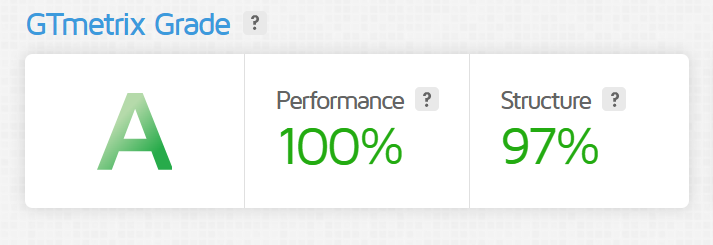
Hostinger had an overall performance score of 97% on PageSpeed Insights: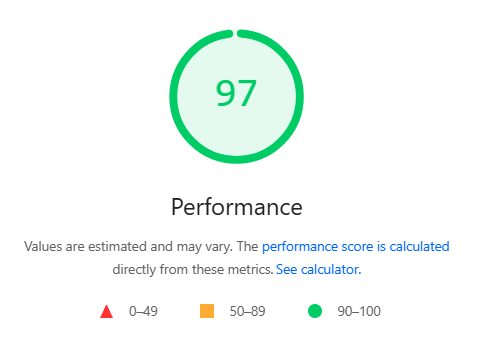
SiteGround Uptime & Speed Test
SiteGround’s server speed (TTFB) for one of the websites on GTMetrix was 1.7 s, and LCP came in at 2.4 ms.
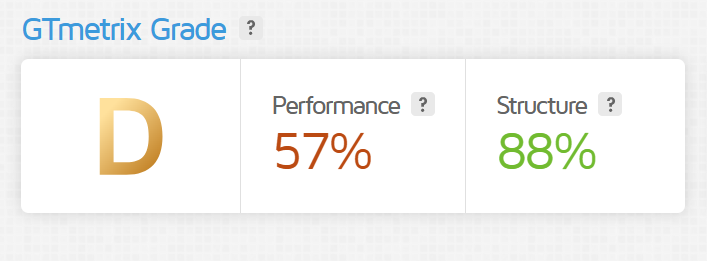
SiteGround had an overall performance score of 68% on PageSpeed Insights: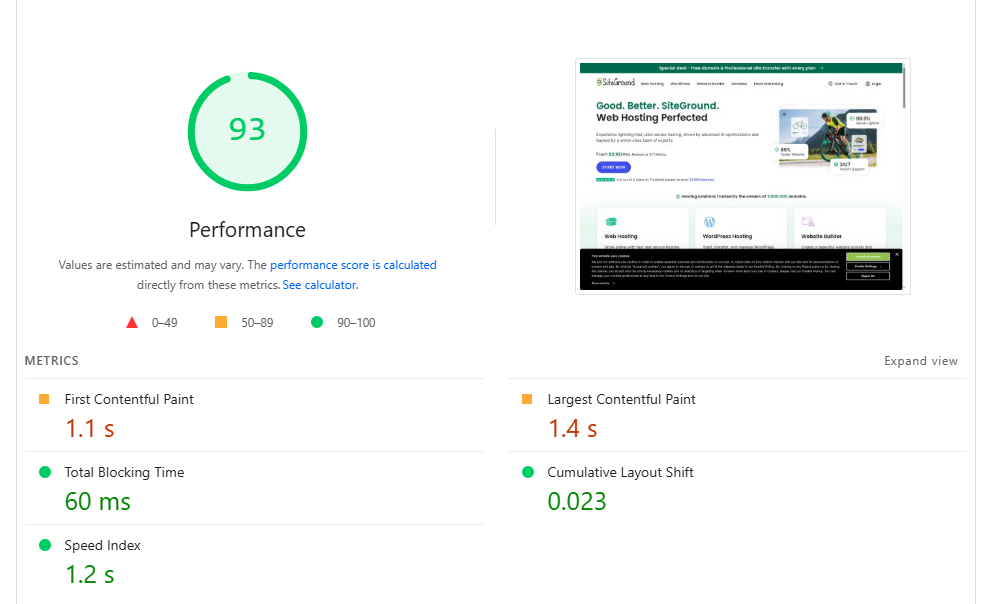
4. Customer Support Comparison: Who’s Got Your Back?
Support matters. So, let’s compare how Hostinger and SiteGround help you when questions come up.
Hostinger Customer Support
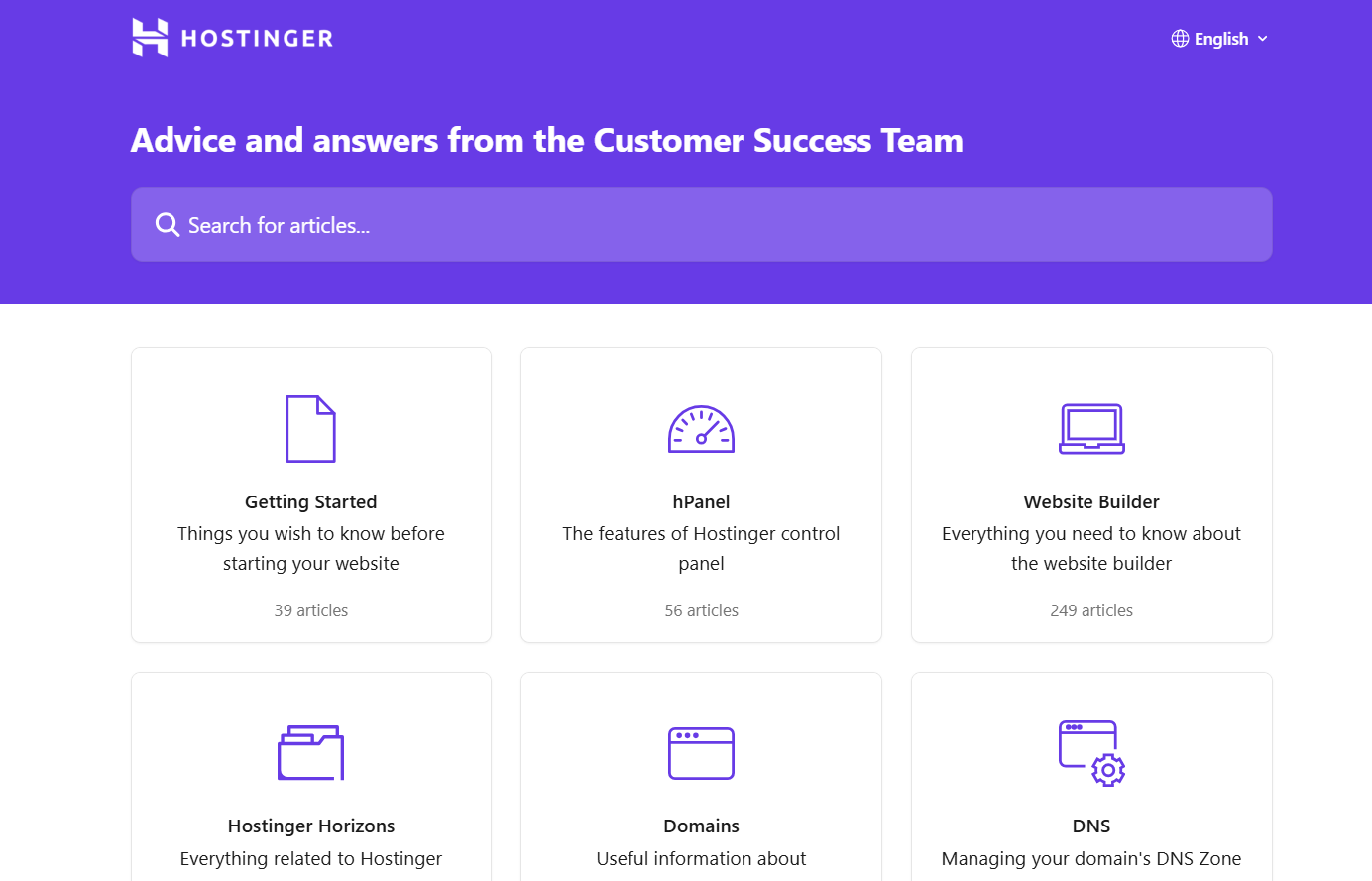
Hostinger runs a very versatile support hub where you can use the live chat, send an email, watch YouTube guides, read tutorials, and find relevant answers in its large knowledge base and blog.
The only downside is that live chats are only available to you if you’re already a customer.
Here’s a look at the support features you can easily access through their website and YouTube channel.
SiteGround Customer Support
All SiteGround account owners get round-the-clock customer care. You can reach out to their support team via phone, email, submit a support ticket, or live chat.
In addition, SiteGround offers a helpful knowledge base with articles and tutorials to guide you through the setup process.
You’ll also find how-to guides and free ebooks on their website. If you’re a beginner, getting started with SiteGround should be pretty straightforward.
5. Ease Of Use Comparison: Which Platform Is Easier to Use?
Below, you’ll find a look at the management features and user experience of both Hostinger and SiteGround.
Hostinger Ease of Use
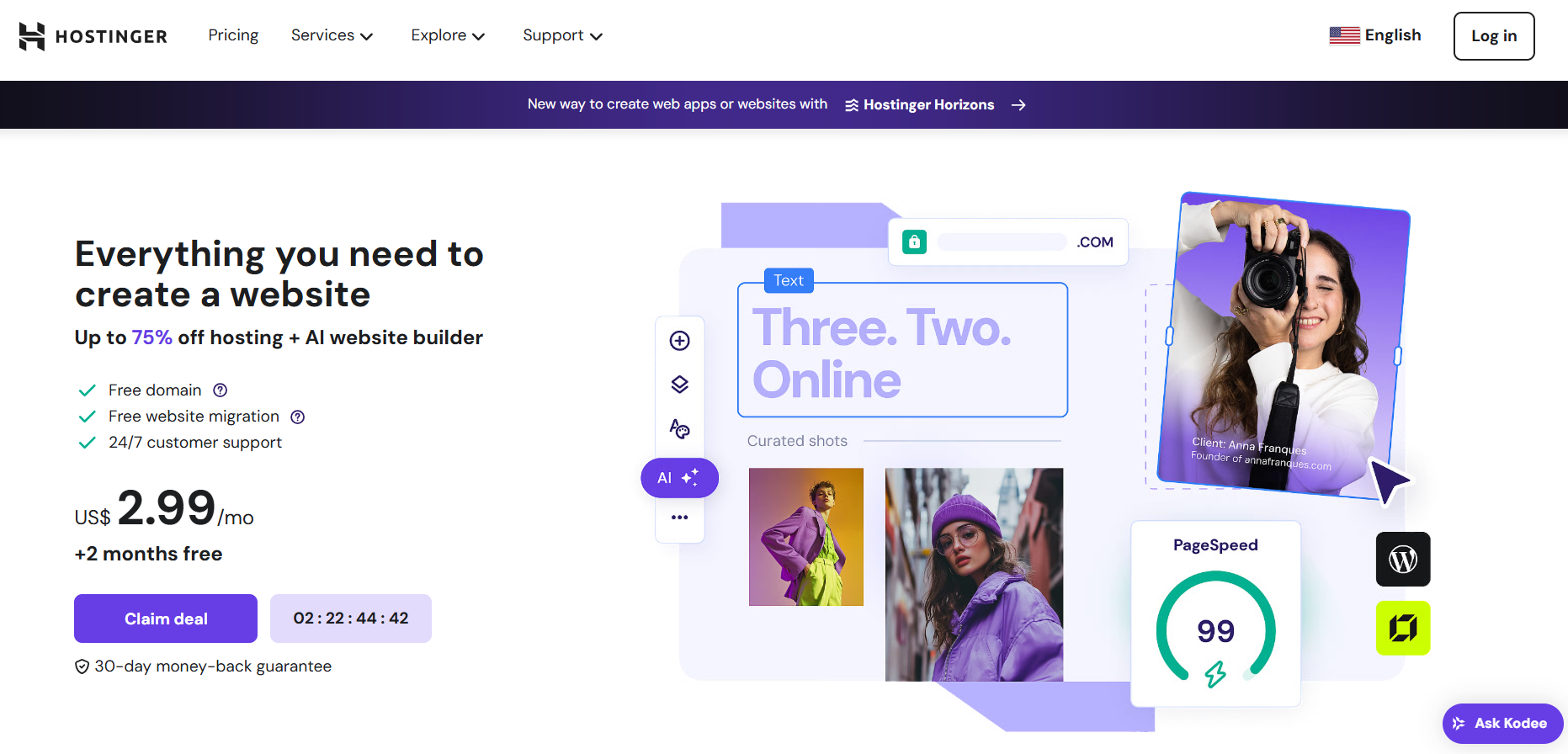
Hostinger’s interface is clean, intuitive, and easy on the eyes with its signature purple-and-white design. The homepage clearly highlights the key features and benefits of each hosting plan.
You also can’t miss the “Claim Deal” button if you’re ready to get started.
Hostinger has its own custom control panel, the hPanel, which makes it super easy to get around and manage your packages.
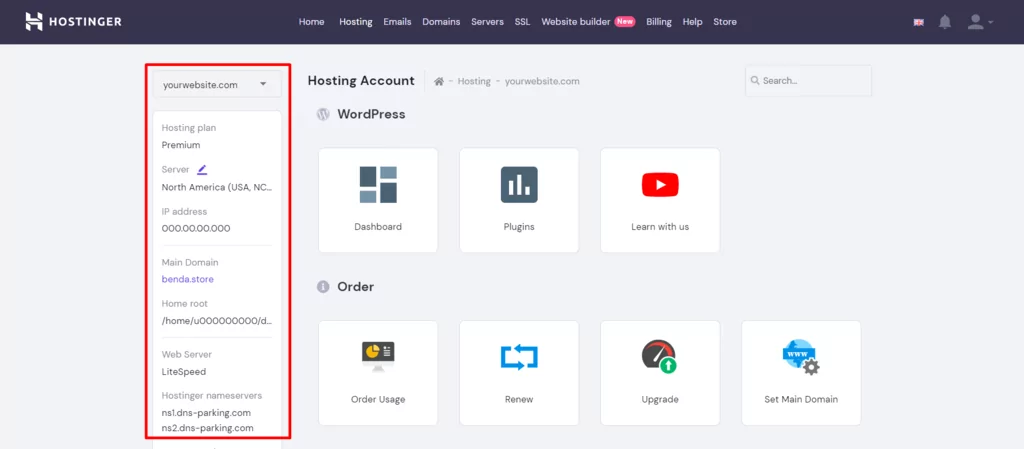
Unless you’re a die-hard cPanel fan, you’d love how the hPanel looks. Its intuitive UI is also designed for people with little or no technical experience.
SiteGround Ease of Use
SiteGround has an easy-to-use, highly functional interface. The dashboard is neat, with all the options available at the top, so you can navigate around without any trouble.
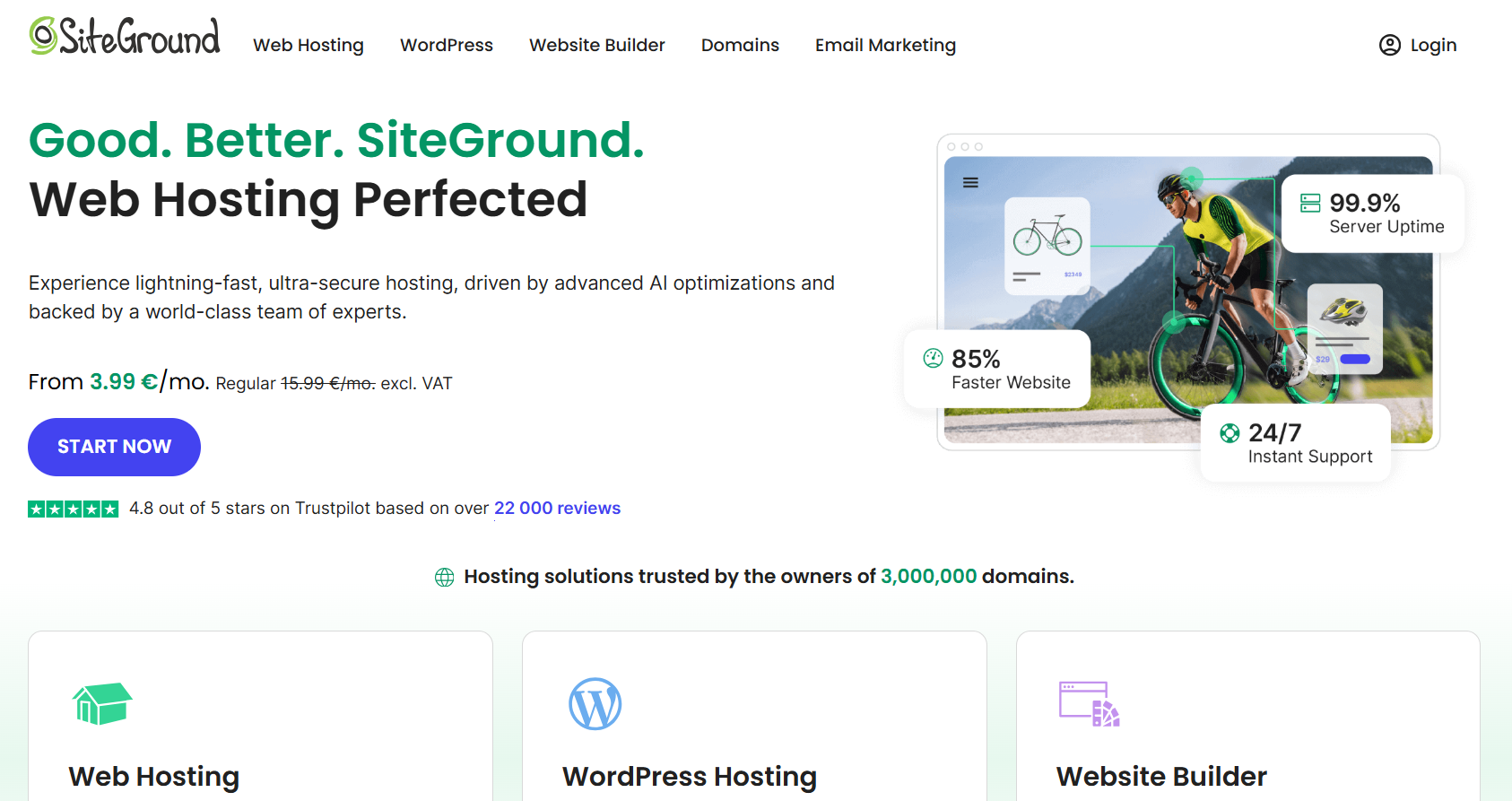
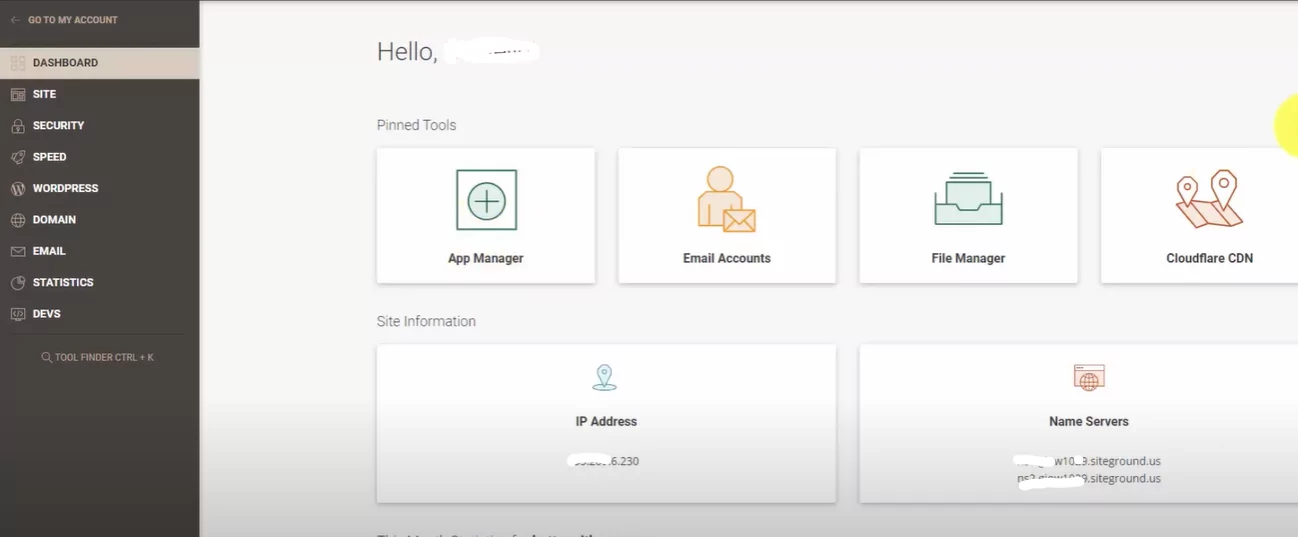
SiteGround also has its customized cPanel (Site Tools) to make it easier for non-techies to manage their plans easily. It’s a bit different from the classic cPanel many people know, so it might take a little getting used to at first.
6. Privacy and Security Comparison: Which Platform is More Secure?
This section compares the privacy and security features that Hostinger and SiteGround offer to keep your website safe.
Hostinger Security
Hostinger’s plans are all CloudFlare compatible, and you get a free SSL certificate out-of-the-box to build user trust. There’s also a built-in site scanner in the hPanel that monitors your website’s frontlines for potential threats.
Hostinger offers daily backups on most of its mid-level and advanced plans and weekly backups on its entry-level plans. You also get the Web Application Firewall, custom-built by Hostinger to keep your website extra secure.
SiteGround Security
SiteGround has all the necessary first-party security features. These include SiteCheck, which regularly checks your website to make sure the code is malware-free.
SiteGround also goes a step further with SG Site Scanner, a tool that will alert you in real-time if your website is under attack. A free SSL and CloudFlare support also provide everything your site needs to stay secure out-of-the box.
7. Server Locations Comparison
Choosing a web hosting company with more global servers ensures faster website loading times worldwide, which can improve SEO and reduce bounce rates, leading to better search rankings and increased conversions.
Hostinger Server Location
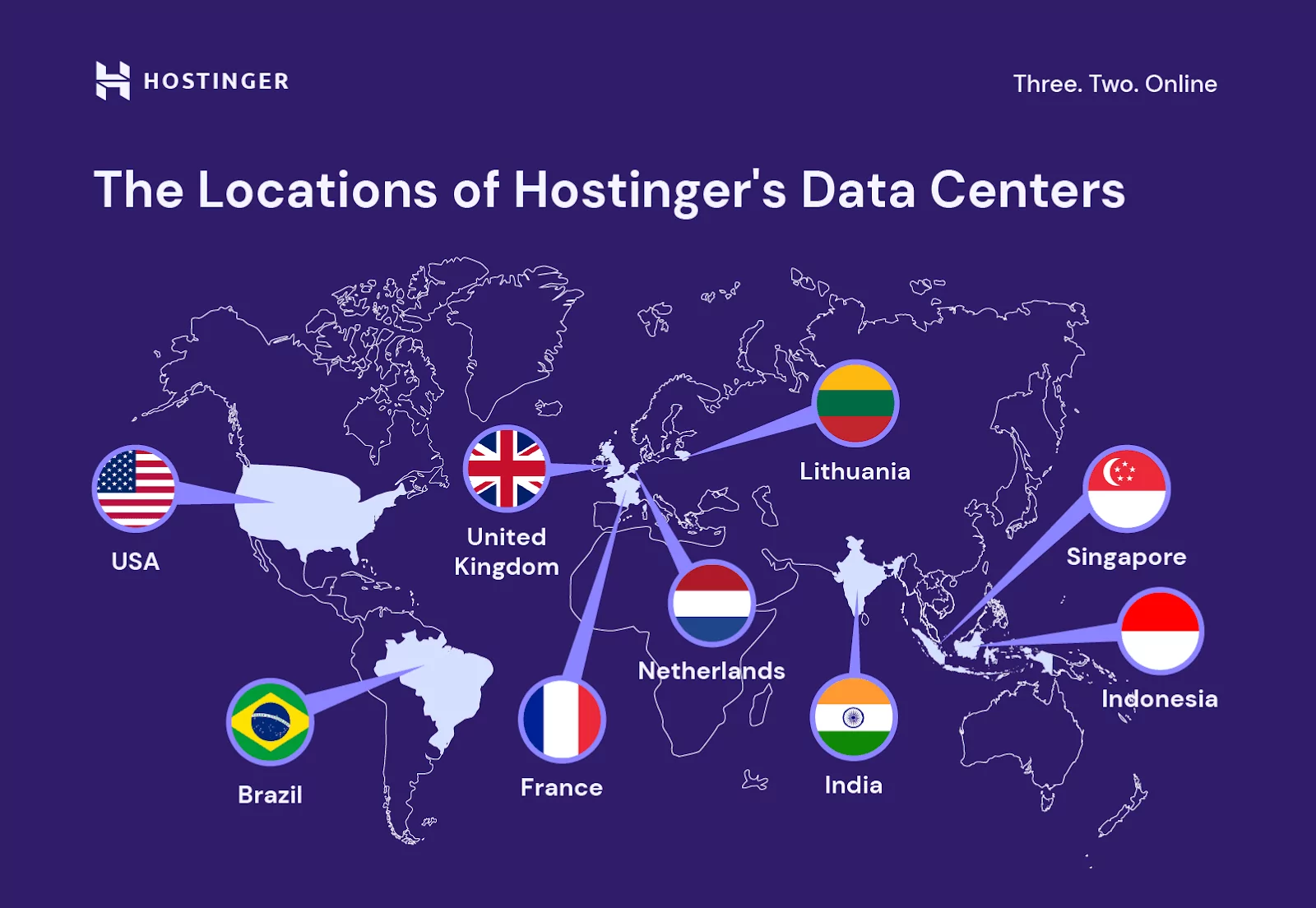
Hostinger’s native servers are spread across the U.S., Brazil, the U.K., the Netherlands, Lithuania, Singapore, and India, covering key regions in North America, South America, Europe, and Asia. It also offers CDN services to help expand your site’s reach and boost performance.
SiteGround Server Location
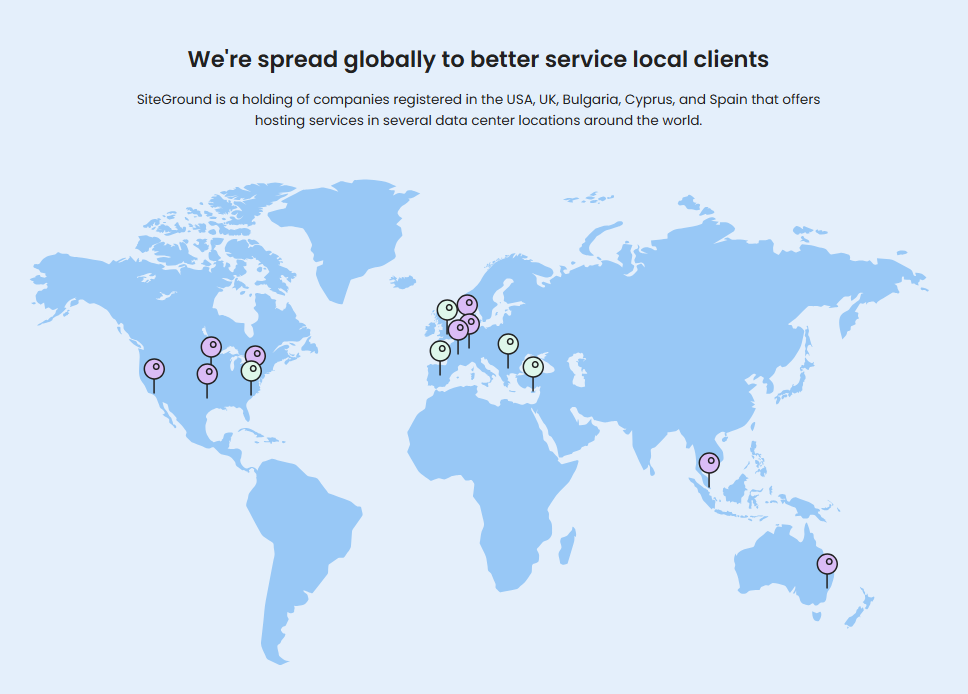
SiteGround has data centers all over the world in the USA (Virginia, Iowa, Texas, California), UK (London), Spain (Madrid), Netherlands (Eemshaven), Germany (Frankfurt), Australia (Sydney), Singapore, and more.
The best part about SiteGround is that it has green data centers, which means it uses energy-efficient technologies in its service facilities.
Hostinger vs SiteGround: Final Recommendations
Why Choose Hostinger?
Hostinger is one of the best hosting platforms for good reason. You should choose Hostinger if:
- You want the best plans on a budget.
- Your target audience is spread across different regions.
- You are not a large corporation, i.e, you are a small business.
- You are not a cPanel fan and want an easy-to-use interface.
- You need niche plans for specialized businesses.
- You don’t want to pay extra for essential security features.
When to Consider SiteGround?
SiteGround offers flexible hosting options for different business sizes and needs. It’s a good fit if:
- Your target audience is all over the world.
- You have a large-scale business.
- You want several hosting options.
- Your website’s performance is your top priority.
- You want to resell your hosting plans.
- You prefer an easy-to-use interface over the traditional cPanel.
Hostinger and SiteGround Alternatives
| Provider | Overview | Expert & User Reviews | |
|---|---|---|---|
 | Focuses on speed, security, and reliability, offering features like SSD storage, free website migration, daily backups, and an easy-to-use control panel. | HostArmada Review | Visit HostArmada |
 | Lets you scale resources like storage and RAM based on your needs. But setting up and managing servers can take some technical know-how, so it might be a bit tricky for beginners. | Kamatera Review | Visit Kamatera |
 | It offers shared hosting, VPS, and dedicated servers, and stands out for its competitive pricing, even when it’s time to renew. | InterServer Review | Visit InterServer |
The Bottom Line
In the Hostinger vs SiteGround battle, Hostinger comes out on top as the more practical and budget-friendly option for most users. It offers faster speeds, better value, and a simpler, beginner-friendly experience, especially for small to medium-sized businesses looking to get online without the hassle.
While SiteGround delivers excellent performance, flexible cloud hosting, and top-tier support, its higher pricing and lack of VPS hosting make it a better fit for larger businesses with bigger budgets or agencies that need scalability and reseller options.
Hostinger’s combination of affordability, global server coverage, intuitive hPanel, and solid performance makes it the go-to choice for everyday users and growing websites. For most use cases, it delivers everything you need without stretching your budget.
At some point, it may be necessary to choose a third option. If that’s your situation, check out these alternatives to Hostinger and select the one that matches your requirements.

